
Effective Asphalt Sealings for Surface Protection
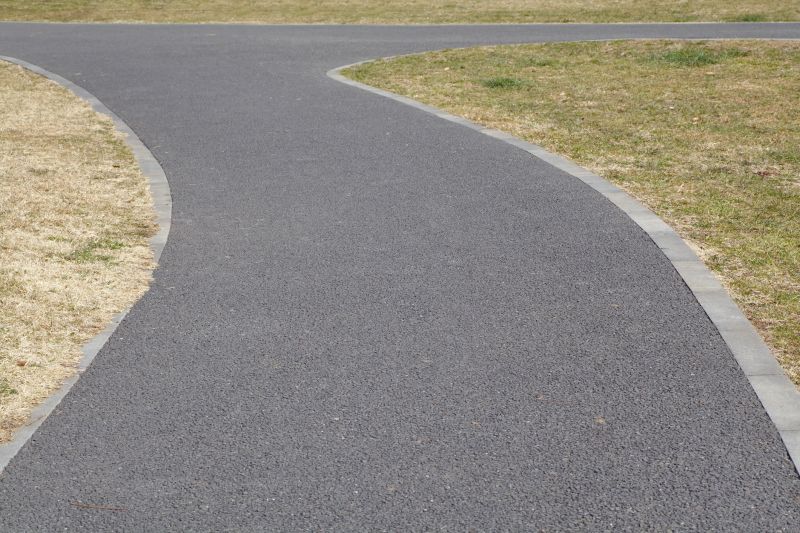
Optimal conditions for asphalt sealings include warm temperatures and low humidity, which allow the sealant to cure properly.
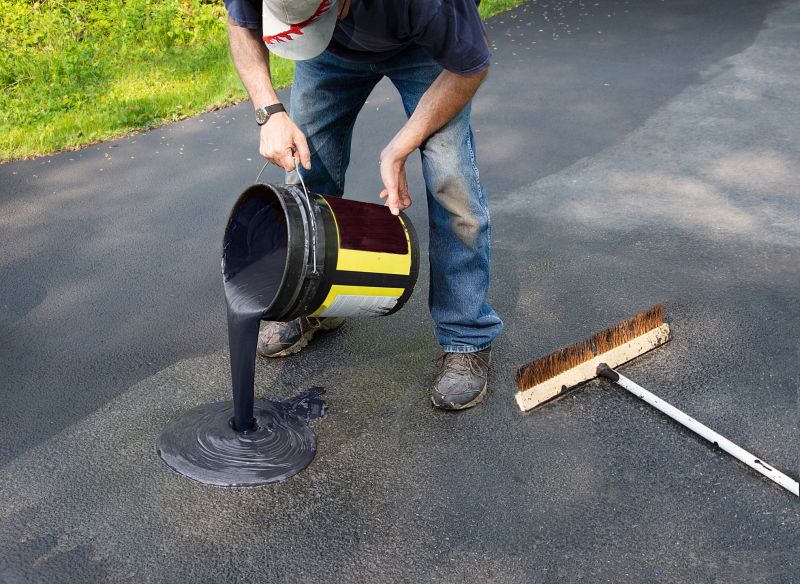
This period offers the most consistent weather, reducing the risk of sealant failure due to rain or cold temperatures.
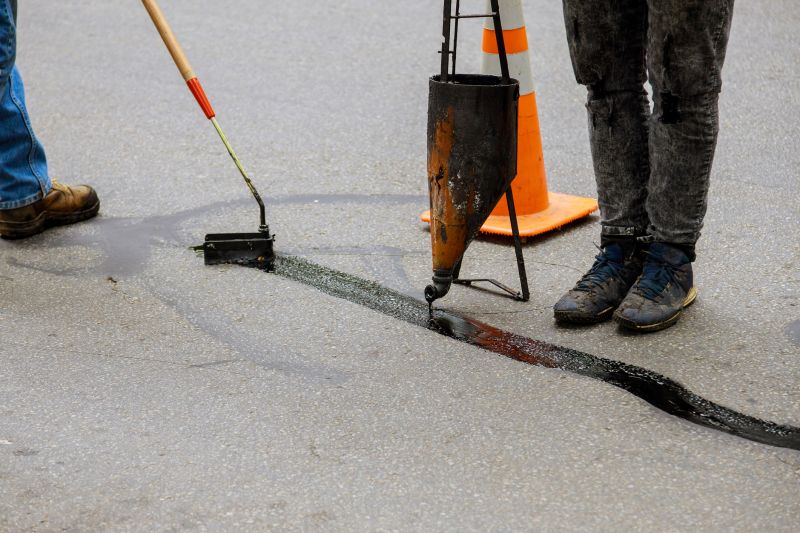
Sealings should not be applied when temperatures are expected to drop below freezing, as this can compromise adhesion and curing.
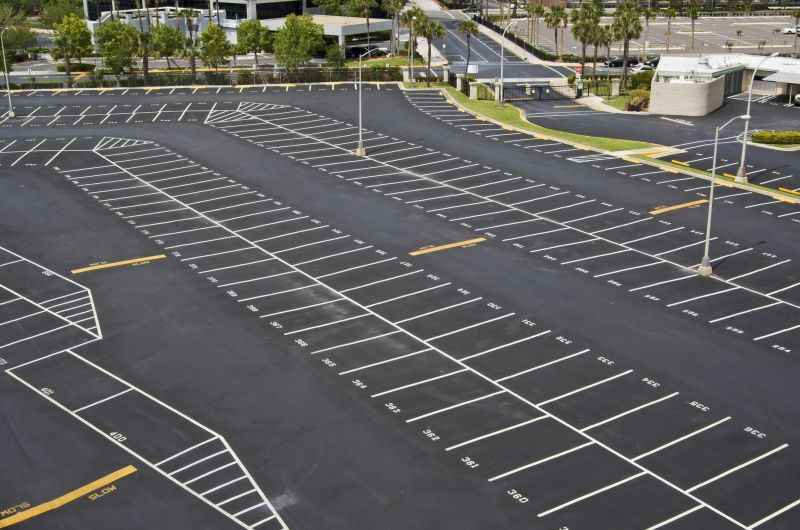
Ways to make Asphalt Sealings work in tight or awkward layouts.
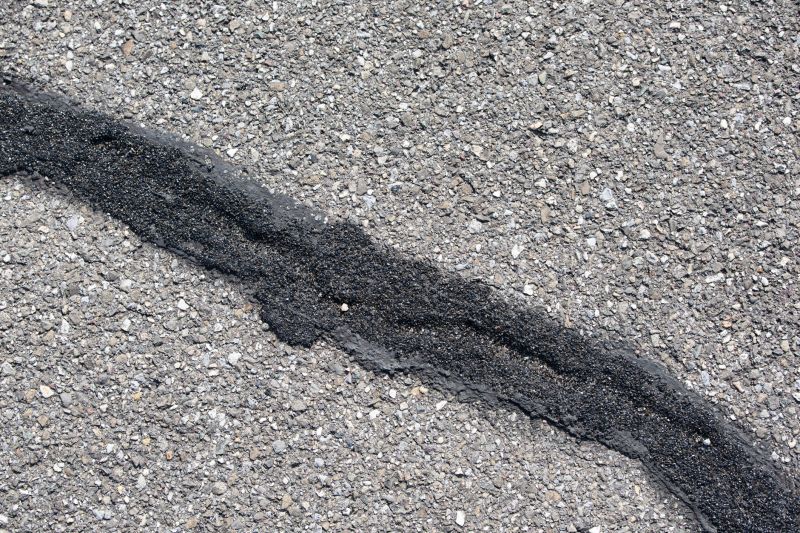
Popular materials for Asphalt Sealings and why they hold up over time.
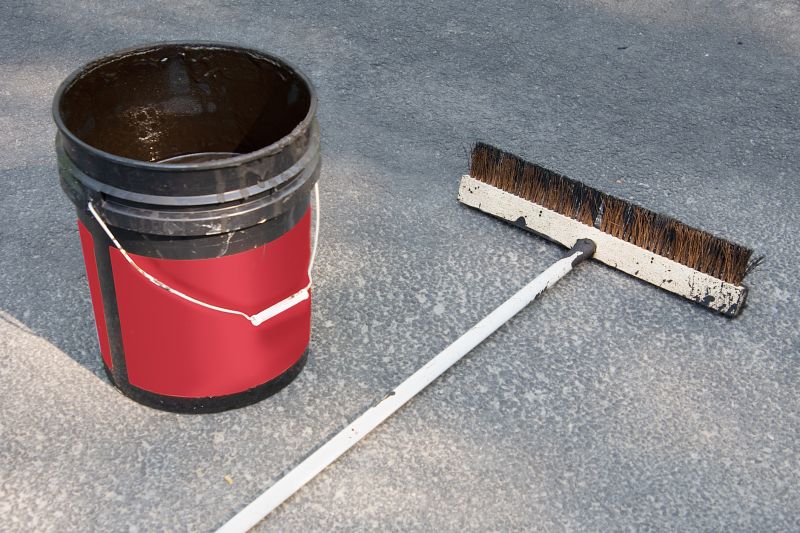
Simple add-ons that improve Asphalt Sealings without blowing the budget.
Asphalt sealings are a vital maintenance process that helps protect pavement surfaces from water, UV damage, and traffic wear. Proper sealing extends the lifespan of asphalt surfaces by preventing cracks, potholes, and surface deterioration. The process involves applying a liquid sealant that bonds to the asphalt, creating a protective barrier. Regular sealings can significantly reduce repair costs and improve the appearance of parking lots, driveways, and roads.
Extreme temperatures and moisture levels can affect the effectiveness of asphalt sealings, making timing crucial for optimal results.
Typically, asphalt surfaces should be sealed every 2-3 years to maintain protection and appearance.
Proper cleaning and crack filling are necessary steps before applying sealant to ensure longevity.
Different sealant formulations are available, including coal tar-based and asphalt-based options, each suited for specific conditions.
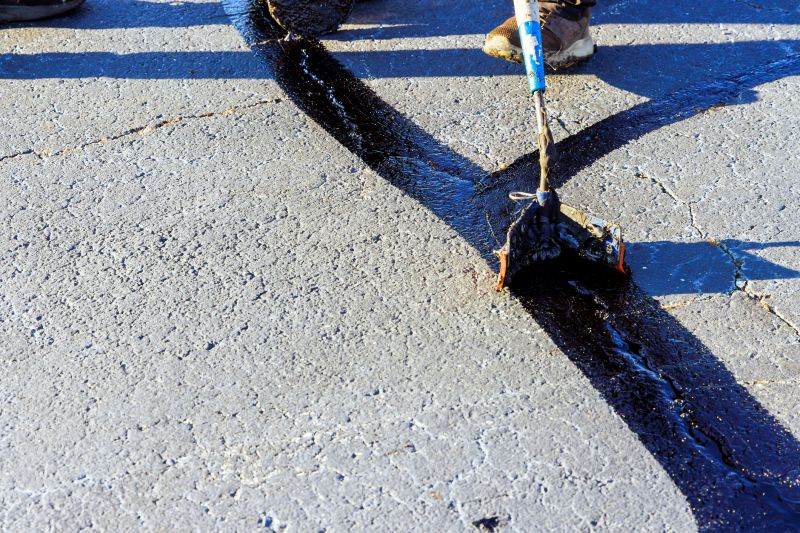
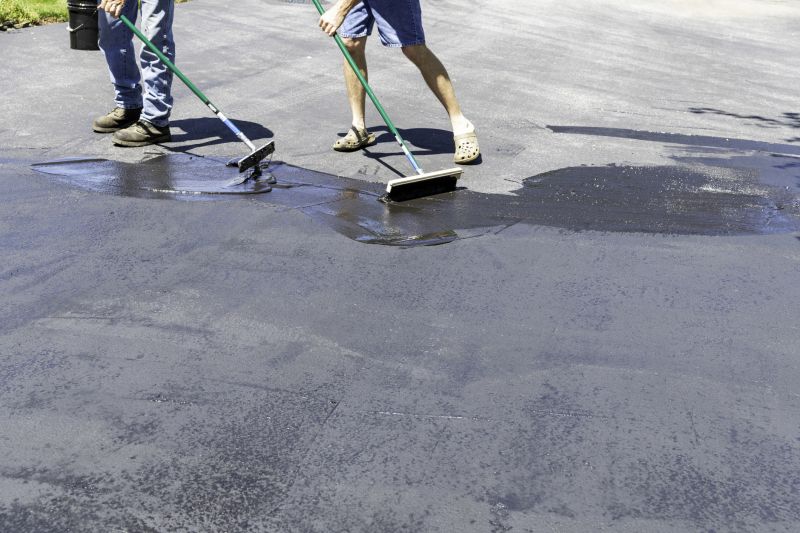
Sealant is spread evenly across the surface using specialized equipment to ensure complete coverage.
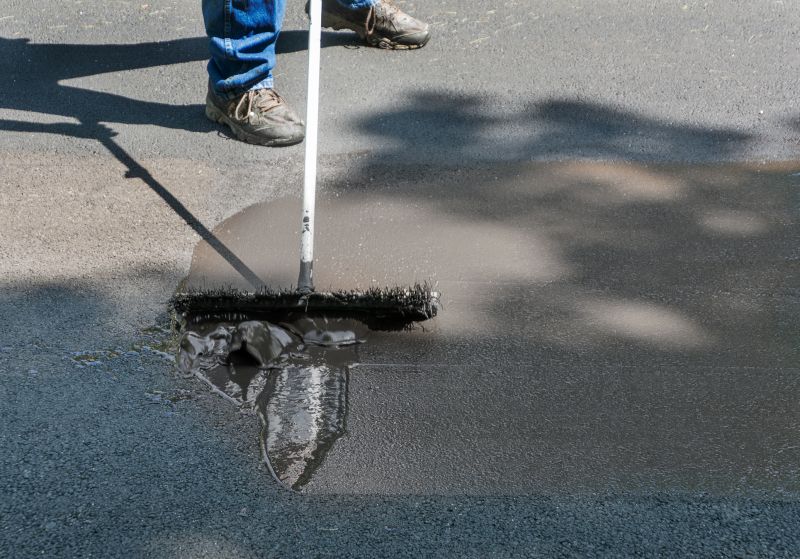
The sealant requires a dry, warm period to cure fully, which can take several hours to days depending on conditions.
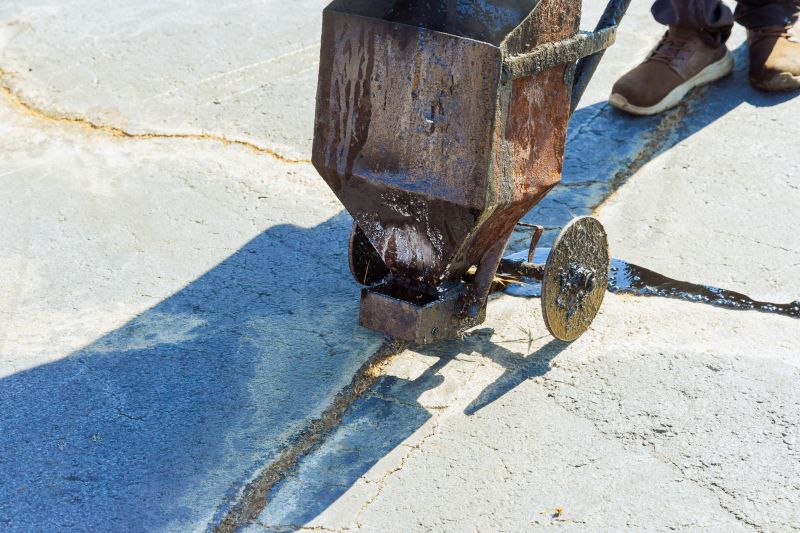
Sprayers and squeegees are commonly used tools for applying asphalt sealings accurately and efficiently.
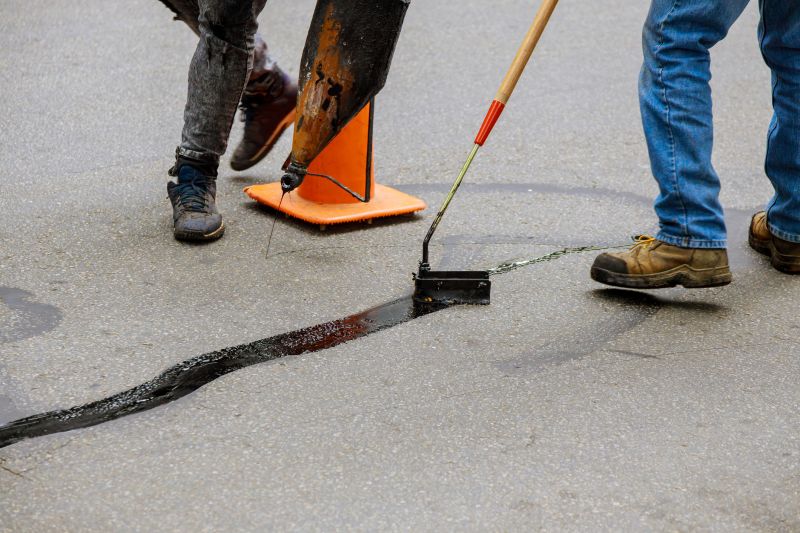
Restrict vehicle traffic until the sealant has cured completely to ensure optimal adhesion.
| Optimal Temperature Range | Ideal Humidity Level |
|---|---|
| 70-85°F | Below 70% |
| 75-85°F | Below 60% |
| 65-80°F | Low humidity conditions |
| 80°F | Dry conditions preferred |
| 70-85°F | Moderate humidity acceptable |
Timing asphalt sealings during suitable weather conditions is essential for ensuring the durability and effectiveness of the application. Applying sealant in temperatures that are too low can hinder curing, while excessive moisture can prevent proper adhesion. Scheduling sealings during periods of stable, warm weather minimizes the risk of surface failures and extends the lifespan of the asphalt pavement.
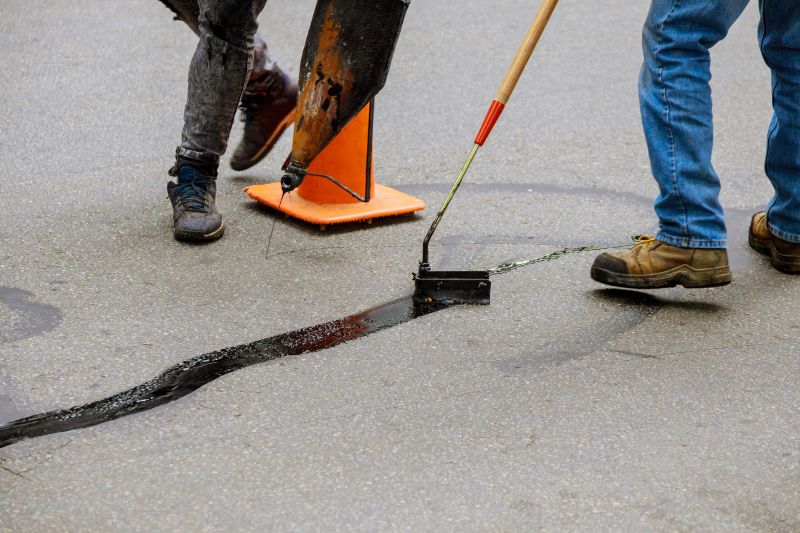
Sunlight accelerates the curing process, making warm, sunny days ideal for asphalt sealings.
Rain can wash away or weaken the sealant, so sealing should be avoided during wet weather.
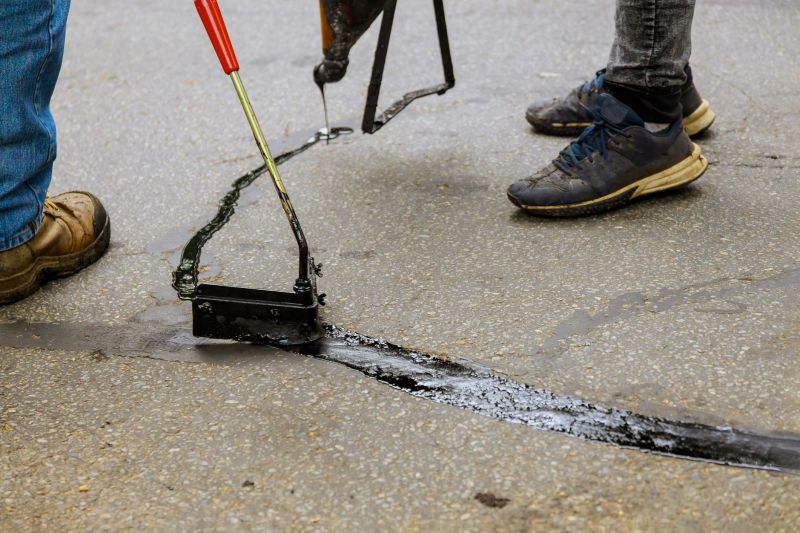
Using weather forecasts to plan sealings ensures application occurs within optimal temperature ranges.
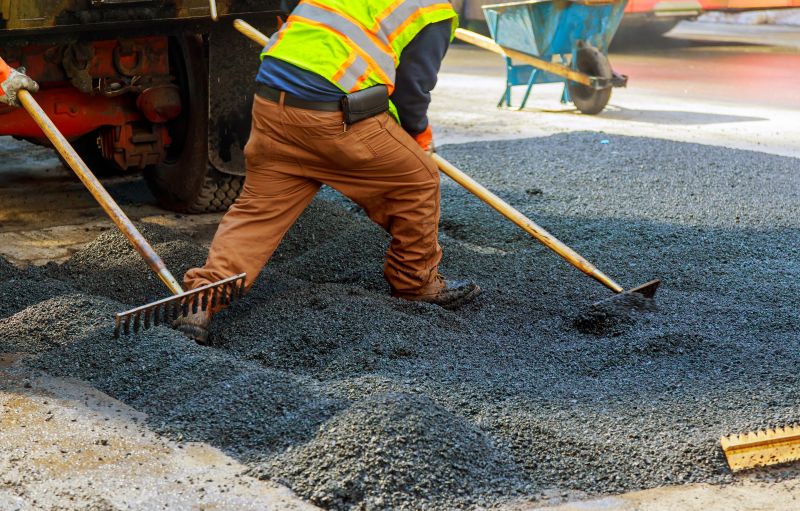
Late spring through early fall typically provides the best conditions for asphalt sealing projects.
Choosing the right time for asphalt sealings can significantly impact the longevity and appearance of the pavement. Proper scheduling, based on temperature, humidity, and weather forecasts, ensures the sealant bonds correctly and cures properly. Regular maintenance at appropriate times helps preserve the structural integrity of asphalt surfaces, reducing long-term repair costs.
Consistently warm weather and dry conditions are indicators that it is suitable to perform sealings.
Sealing in unsuitable conditions can lead to premature failure, cracking, and surface deterioration.
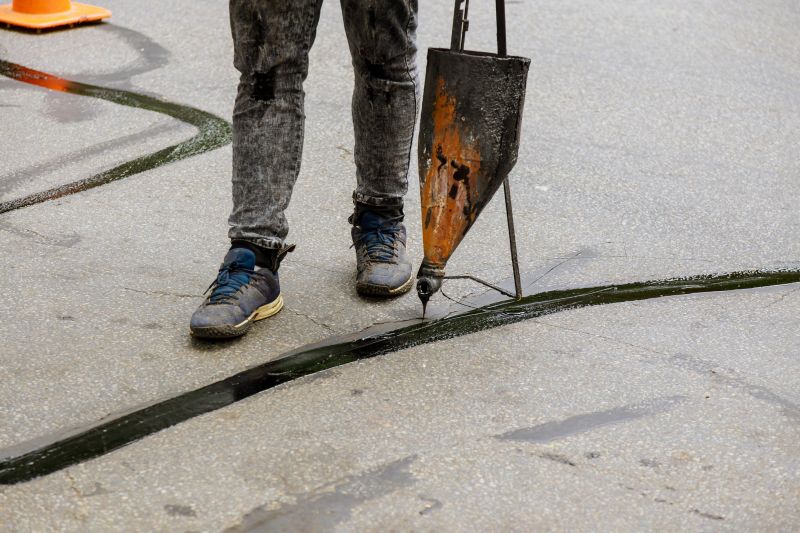
Warm, dry days are best for applying asphalt sealants for optimal results.
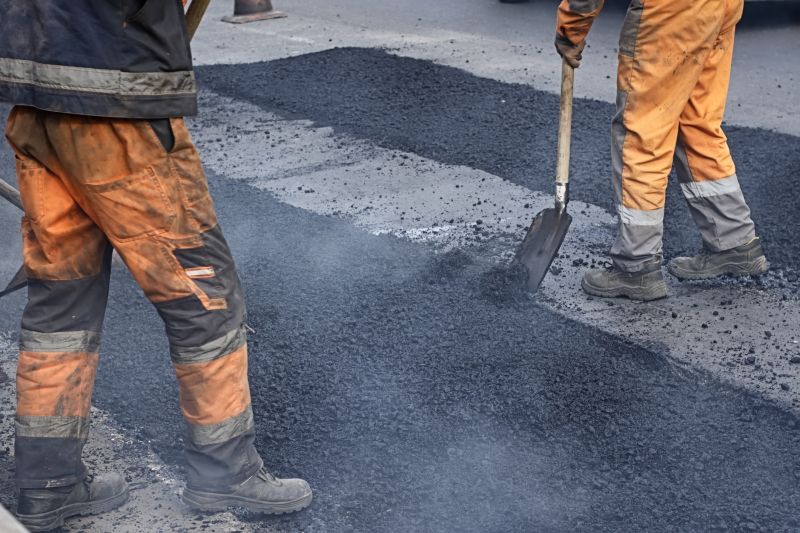
Weather forecasts assist in scheduling sealings during ideal periods.
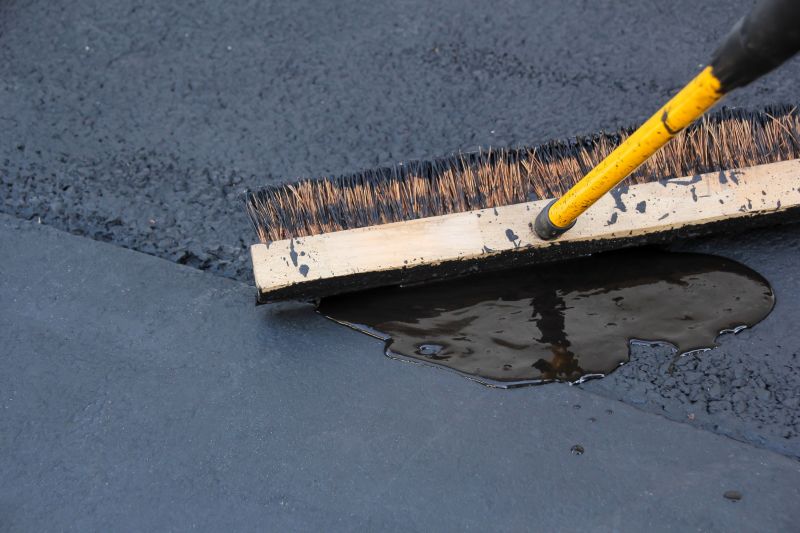
A properly timed application results in a smooth, durable surface with a longer lifespan.
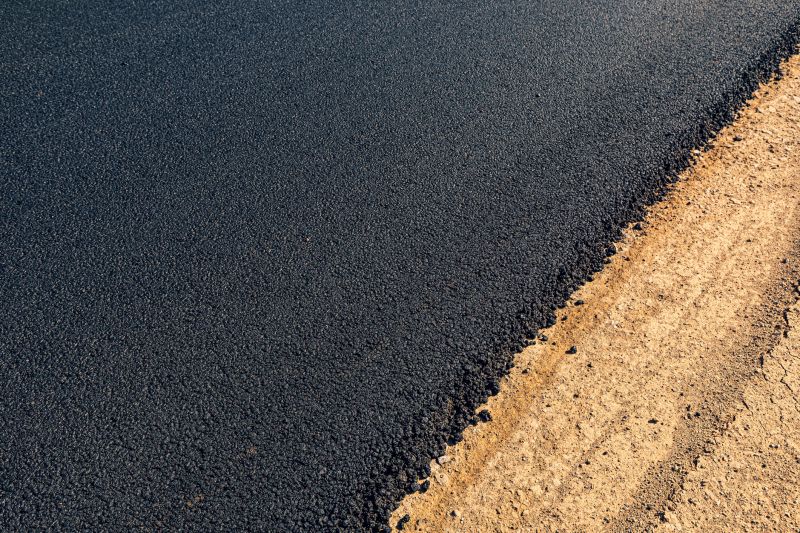
High-end options that actually feel worth it for Asphalt Sealings.
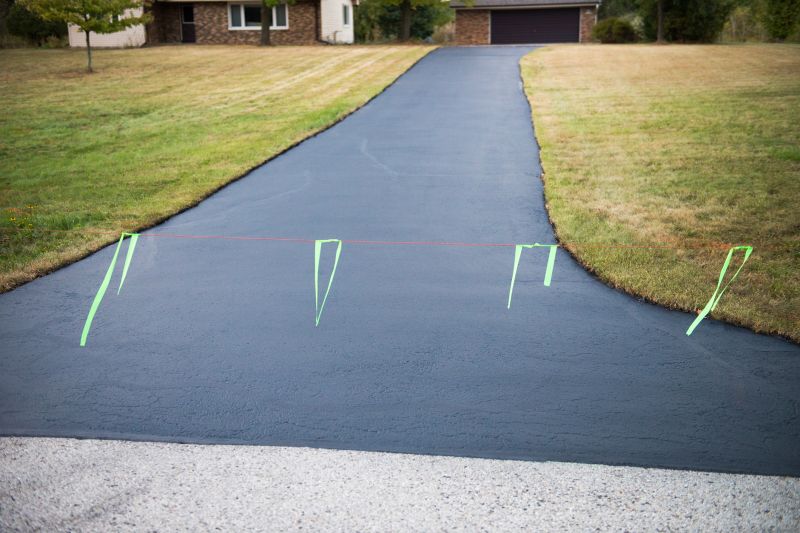
Finishes and colors that play nicely with Asphalt Sealings.
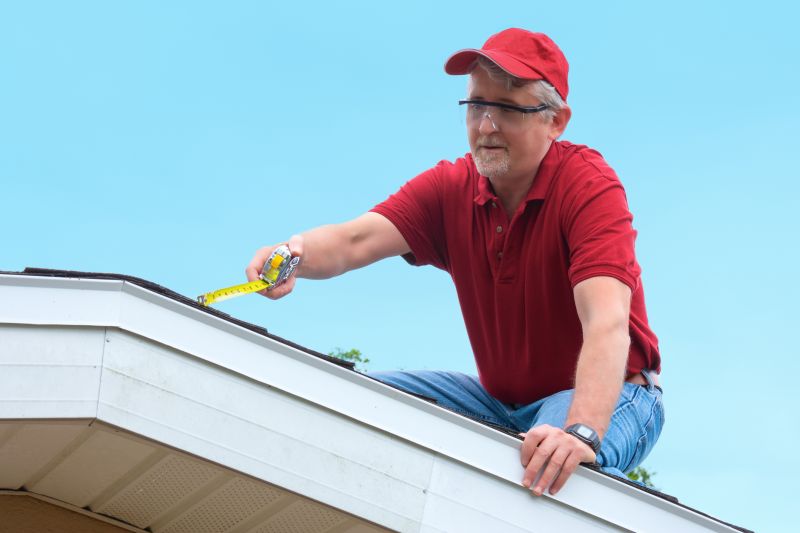
Little measurements that prevent headaches on Asphalt Sealings day.
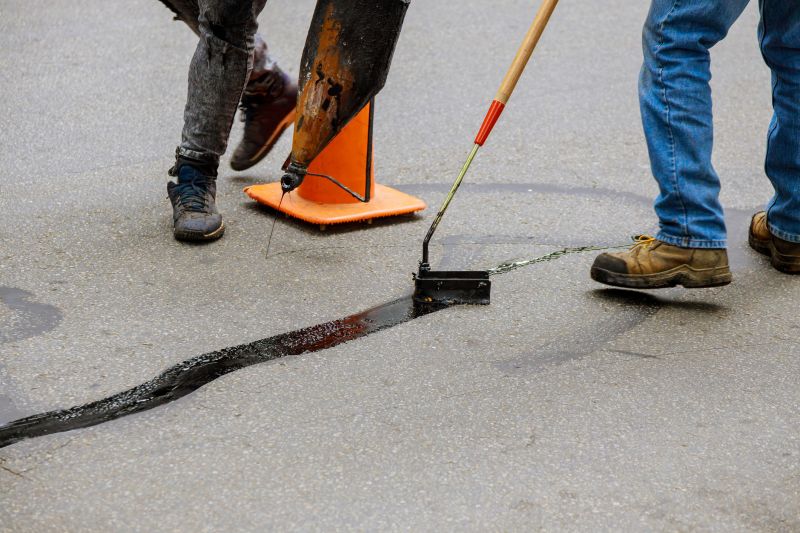
A 60-second routine that keeps Asphalt Sealings looking new.
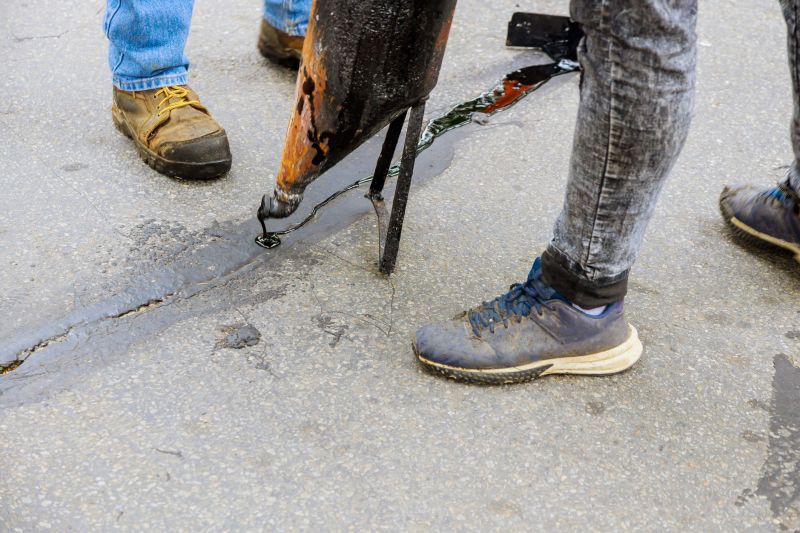
A frequent mistake in Asphalt Sealings and how to dodge it.
Interested in scheduling asphalt sealings? Filling out the contact form can provide more information and help determine the best timing for specific pavement needs in Kenner, LA.